
Blog
Bathroom Remodel Mistakes MetroWest Homeowners Should Avoid
Embarking on a bathroom remodel in Massachusetts is an exciting venture that promises to enhance your home’s comfort and value. However, the path to a dream bathroom is often paved with potential pitfalls that can lead to budget overruns, frustrating delays, and unsatisfactory results. Understanding common bathroom remodel mistakes Massachusetts homeowners often make is the first step toward a successful renovation.
From overlooked waterproofing to poor layout planning, these errors can turn a promising project into a costly headache. This guide will walk you through the most frequent missteps and provide actionable advice to help you navigate your renovation with confidence, ensuring your investment truly pays off.
*Ask about our Free In-Home Consultations + Free Estimates
Common Bathroom Remodel Mistakes Massachusetts Homeowners Encounter
Successfully remodeling a bathroom in MetroWest, MA requires careful attention to detail and a keen awareness of specific challenges, from climate considerations to local building codes. Avoiding these common errors can save you significant time, money, and stress, ensuring your new bathroom is both beautiful and functional for years to come.
1. Underestimating the Budget and Overlooking Hidden Costs
One of the most frequent bathroom remodel mistakes Massachusetts residents make is failing to account for the full scope of expenses. Initial estimates often focus on visible elements like fixtures and tiles, but hidden costs can quickly inflate your budget. These might include structural repairs, unexpected plumbing or electrical upgrades in older homes common throughout Massachusetts, mold remediation, or even hazardous material removal. According to a study by HomeAdvisor, homeowners often underestimate renovation costs by 10-20%. A thorough assessment by a professional contractor is crucial to uncover potential issues before demolition begins.
- Unexpected Repairs: Behind walls and under floors, unforeseen issues like rotten wood, outdated wiring, or corroded pipes can be discovered. These must be addressed for safety and longevity.
- Permits and Inspections: Most significant remodels require permits, adding both time and fees to the project. Skipping these can lead to fines or mandated re-work.
- Demolition and Debris Removal: The cost of tearing out old materials and hauling them away is often underestimated.
- Contingency Fund: Always allocate 10-15% of your budget for unforeseen circumstances.
2. Neglecting Comprehensive Planning and Design
A lack of detailed planning can lead to a disjointed, inefficient, or impractical bathroom. Many homeowners get swept up in aesthetics without considering functionality, traffic flow, or storage needs. This includes issues like poor layout, insufficient lighting, or not future-proofing the space. In a busy MetroWest household, a poorly designed bathroom can become a daily source of frustration. Before buying a single tile, visualize how you’ll use the space, considering factors like door swings, shower clearance, and vanity height.
- Poor Layout: Cramped spaces, awkward fixture placement, or doors that hit the toilet are common results of inadequate planning.
- Insufficient Storage: Bathrooms require ample storage for toiletries, towels, and cleaning supplies. Neglecting this leads to clutter.
- Ignoring Ergonomics: Think about comfort and accessibility. Are the shower controls easy to reach? Is the toilet height comfortable?
- Lack of Future-Proofing: Consider aging in place or potential resale value. Universal design principles can add long-term appeal.
3. Skimping on Waterproofing and Ventilation
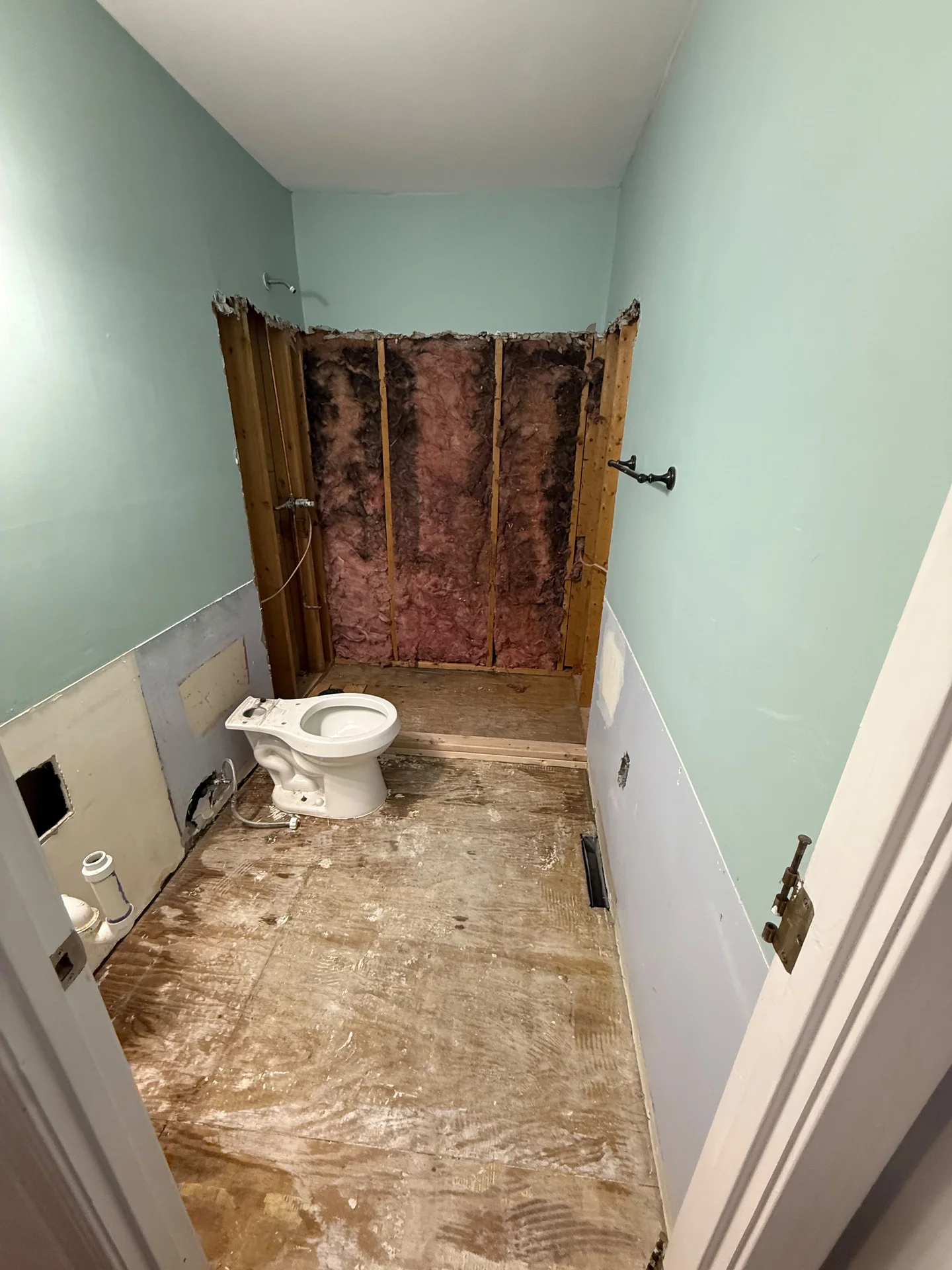
Given Massachusetts’ varied climate, proper waterproofing and ventilation are non-negotiable for any bathroom remodel. This is perhaps one of the most critical bathroom remodel mistakes Massachusetts homeowners can make. Without adequate moisture control, you risk mold growth, mildew, and structural damage that can be incredibly expensive to repair. The average humidity in Massachusetts can fluctuate significantly, making effective ventilation vital to prevent issues. The International Residential Code (IRC) mandates specific ventilation requirements for bathrooms, which must be followed.
- Inadequate Shower Waterproofing: Using standard drywall or not properly sealing seams in wet areas can lead to water infiltration behind tiles, causing rot and mold. Always use cement board or waterproof panels.
- Poor Ventilation Fan: An undersized or improperly installed exhaust fan won’t effectively remove moisture, leading to condensation, peeling paint, and health hazards. Aim for a fan with a CFM rating appropriate for your bathroom size.
- Ignoring Vapor Barriers: In cold climates like MA, vapor barriers are essential to prevent moisture from condensing within wall cavities.
- Long-Term Damage: Water damage can compromise the structural integrity of your home, leading to costly repairs and potential health issues from mold.
4. Choosing Unsuitable Materials for Wet Areas
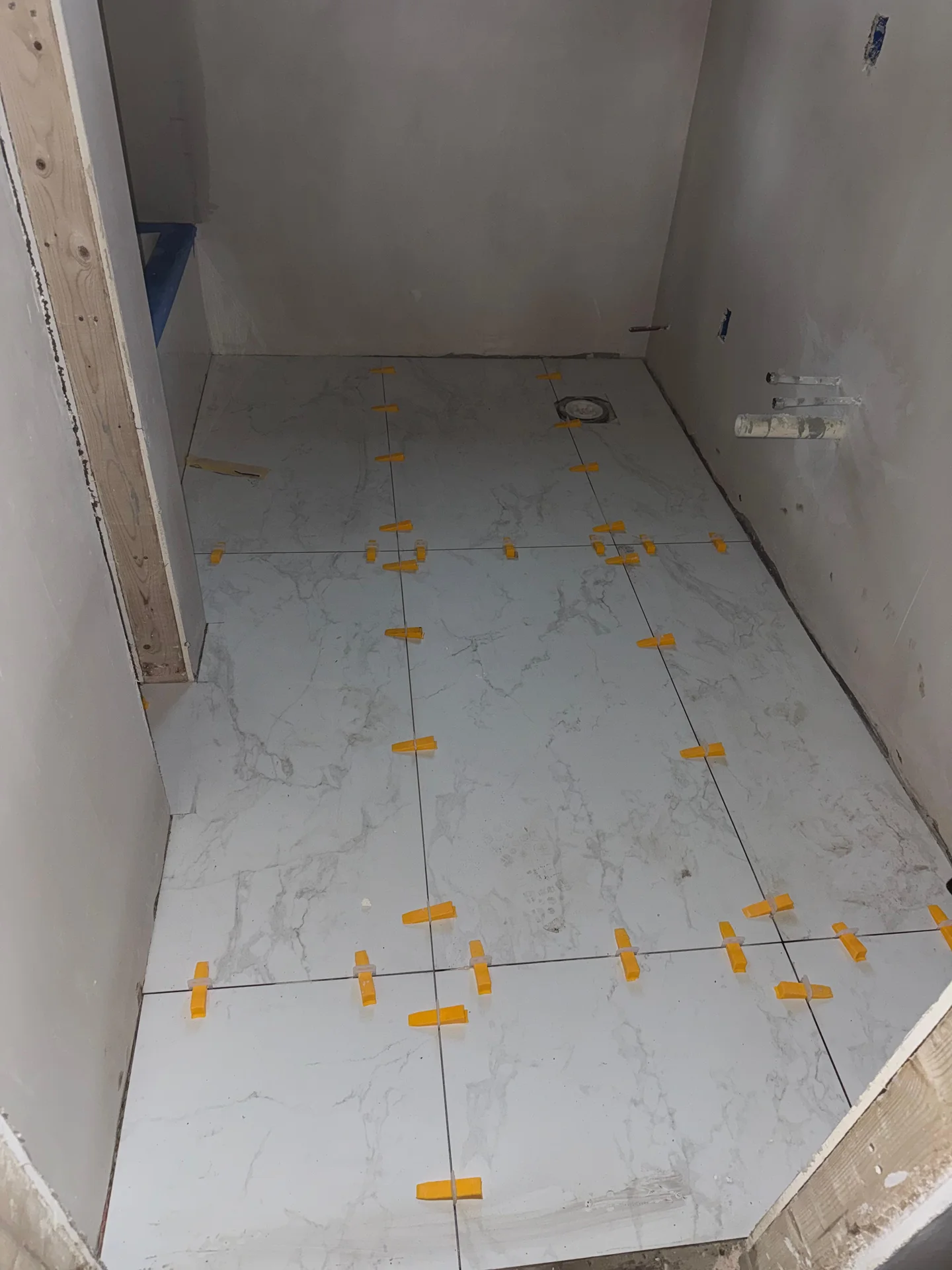
The allure of beautiful, but impractical, materials can be strong. However, selecting finishes that aren’t suitable for a high-moisture environment is a common error. Certain types of wood, porous natural stone without proper sealing, or non-water-resistant paint can quickly deteriorate, requiring premature replacement. For areas like shower surrounds or flooring, durability and water resistance should be paramount. For guidance on appropriate selections, consider consulting experts in tile installation.
- Porous Stone Without Sealing: Marble and some natural stones are beautiful but can stain easily and absorb moisture if not regularly sealed.
- Non-Waterproof Flooring: Hardwood floors are generally not recommended for bathrooms due to humidity fluctuations. Opt for porcelain tile, luxury vinyl plank, or ceramic.
- Standard Paint: Regular wall paint is not designed for high-humidity areas. Use mold-resistant, semi-gloss or satin paint for better protection.
- Low-Quality Fixtures: Cheap faucets and showerheads may look good initially but often corrode or leak, requiring early replacement.
5. DIY Overreach vs. Professional Expertise
While a DIY approach can seem appealing for saving money, attempting complex tasks without the necessary skills or tools is a significant risk. Plumbing, electrical work, and structural changes require specialized knowledge and adherence to Massachusetts building codes. Faulty electrical wiring can cause fires, and improper plumbing can lead to leaks and extensive water damage. Hiring a licensed and insured contractor, such as a Massachusetts Home Improvement Contractor (HIC #218024), ensures the work is done correctly, safely, and to code, protecting your investment and your home.
- Code Violations: Many DIY projects unknowingly violate local building codes, leading to failed inspections and costly re-work.
- Safety Hazards: Electrical and plumbing work, if done incorrectly, poses serious safety risks to your household.
- Lack of Proper Tools: Professional contractors have specialized tools that ensure precision and efficiency, which DIYers often lack.
- Time and Stress: What seems like a simple task can quickly become overwhelming, prolonging the project and causing significant stress.
- Warranty Issues: Professional installations often come with warranties, offering peace of mind that DIY projects cannot.
6. Ignoring the Project Timeline and Expecting Instant Results
Bathroom remodels, especially in older Massachusetts homes, rarely go exactly according to the initial schedule. Supply chain issues, unexpected structural discoveries, inspection delays, and the sheer complexity of coordinating various trades can all extend the timeline. A common mistake is not building buffer time into your schedule or setting unrealistic expectations for completion. A reputable contractor will provide a realistic timeline and communicate any potential delays transparently.
- Material Delays: Custom fixtures, tiles, or cabinetry can have long lead times, especially in the current market.
- Inspection Process: Building inspections are a necessary part of the process but can cause delays if not scheduled efficiently or if re-inspections are required.
- Contractor Scheduling: Good contractors are in high demand. Rushing the process or expecting them to be available immediately can compromise quality.
- Unforeseen Problems: As mentioned, opening up walls can reveal hidden issues that add days or weeks to the project.
7. Overlooking Lighting and Electrical Needs
Good lighting is essential for both functionality and ambiance in a bathroom. Relying solely on a single overhead fixture is a common mistake that leaves areas dim and makes tasks like shaving or applying makeup difficult. Similarly, not planning for enough outlets can be inconvenient. Electrical work must comply with local codes, which can be stringent in Massachusetts, and should always be handled by a licensed electrician to ensure safety.
- Inadequate Task Lighting: Vanity lighting should provide even, shadow-free illumination at eye level.
- Lack of Ambient Lighting: Overhead lights provide general illumination, but dimmer switches allow for mood setting.
- Insufficient Outlets: Modern bathrooms need outlets for hair dryers, electric toothbrushes, and other devices. Ensure they are GFCI protected.
- Ignoring Code Requirements: Placement of outlets and light fixtures near water sources is strictly regulated for safety.
8. Forgetting About Long-Term Maintenance
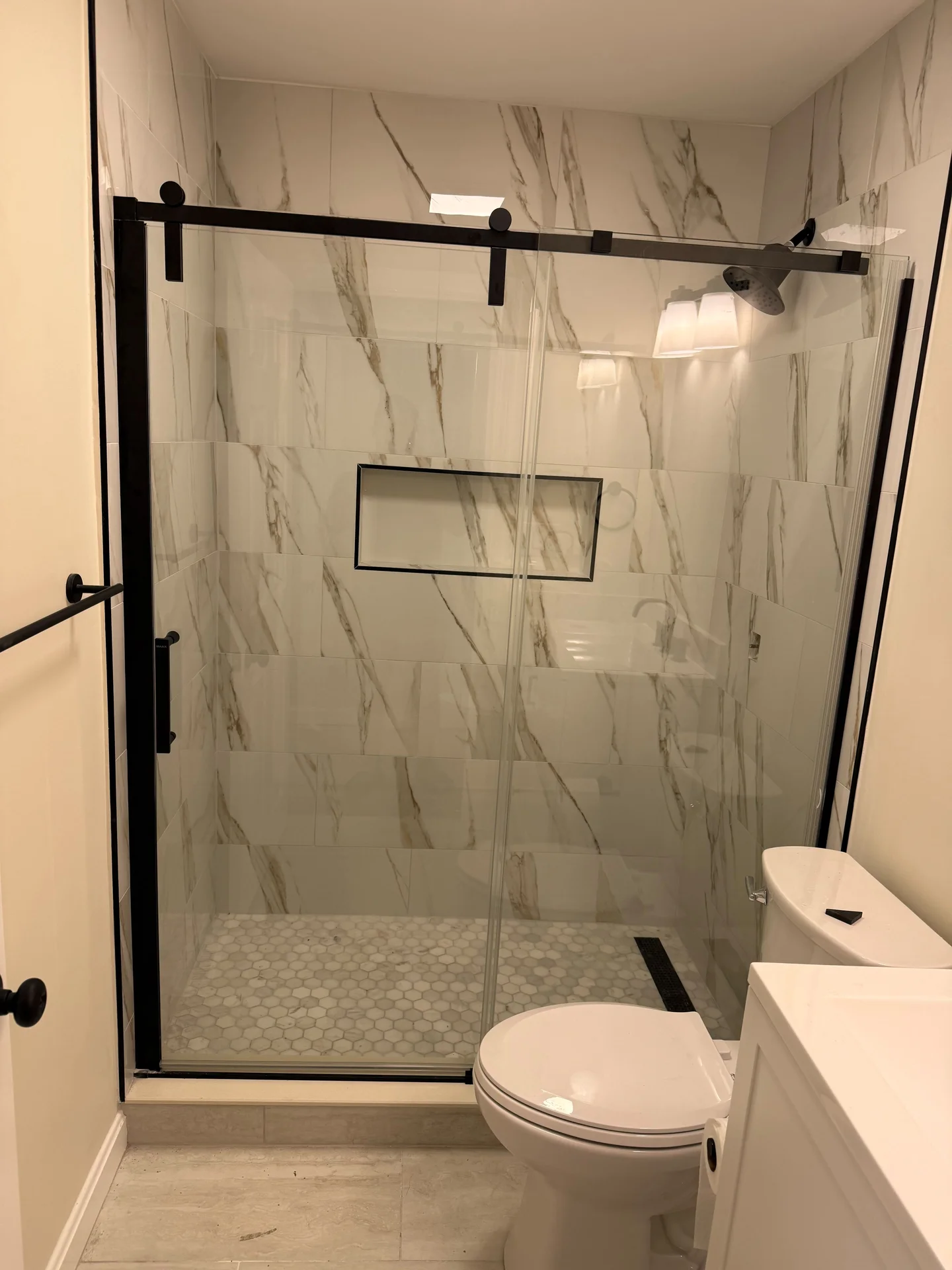
While a new bathroom should look pristine, neglecting to consider its long-term maintenance is a mistake that can lead to rapid deterioration. Choosing materials that are difficult to clean, require frequent sealing, or are prone to wear and tear can quickly diminish the beauty and functionality of your remodel. Think about how much time you’re willing to dedicate to cleaning and upkeep when making material selections.
- Grout Lines: While small grout lines are trendy, they can be harder to clean. Consider larger format tiles to minimize grout.
- Glass Shower Doors: Beautiful, but require regular cleaning to prevent water spots and soap scum buildup.
- High-Maintenance Finishes: Some trendy finishes might look great but scratch or show wear easily.
- Accessibility for Repairs: Ensure that plumbing and electrical access points are not permanently sealed, making future repairs easier and less destructive.
Ready to Remodel Your Bathroom the Right Way?
Avoiding these common bathroom remodel mistakes in Massachusetts is key to a successful project. By prioritizing thorough planning, smart material choices, proper waterproofing, and professional execution, you can create a bathroom that not only meets your aesthetic desires but also functions flawlessly for years to come. For a stress-free and expertly managed renovation, partnering with a trusted, licensed, and insured local contractor like SF Construction is invaluable. We bring the experience and attention to detail needed to transform your vision into reality.
FAQ
Common questions about bathroom remodeling in MetroWest, MA.
What are the most common bathroom remodel mistakes Massachusetts homeowners make?
Common mistakes include underestimating the budget and hidden costs, neglecting comprehensive planning, skimping on waterproofing and ventilation, choosing unsuitable materials for wet areas, attempting complex DIY tasks without professional expertise, ignoring the project timeline, overlooking lighting needs, and forgetting about long-term maintenance.
How can I avoid hidden costs in my bathroom remodel budget?
To avoid hidden costs, get a detailed, itemized estimate from a professional contractor. Insist on a thorough assessment of your existing bathroom to uncover potential issues like plumbing, electrical, or structural problems. Always include a 10-15% contingency fund in your budget for unforeseen expenses.
Why is waterproofing so important for a bathroom remodel in Massachusetts?
Massachusetts’ climate can have significant humidity fluctuations, making proper waterproofing crucial. Without it, moisture can infiltrate walls and floors, leading to mold growth, mildew, and structural damage, which are expensive to repair and can pose health risks. Proper ventilation also plays a key role in moisture control.
Should I hire a licensed contractor for my bathroom remodel?
Yes, especially for major renovations involving plumbing, electrical, or structural changes. A licensed and insured contractor, like a Massachusetts Home Improvement Contractor (HIC #218024), ensures the work meets safety standards and local building codes, provides warranties, and protects you from liability.
What materials are best for bathroom floors and showers in a Massachusetts home?
For bathroom floors and showers, durable, water-resistant materials are best. Options like porcelain tile, ceramic tile, and luxury vinyl plank (LVP) are excellent choices for flooring. For shower surrounds, porcelain, ceramic, and natural stone (properly sealed) are popular and effective.
How long does a typical bathroom remodel take in MetroWest, MA?
The timeline for a bathroom remodel can vary significantly based on scope and complexity. A small cosmetic update might take 1-2 weeks, while a full gut renovation could take 3-6 weeks or more. Factors like material lead times, inspection schedules, and unforeseen issues can also impact the overall project duration.
Related Posts & Services
- Explore our professional bathroom remodeling services
- Learn about expert tile installation for your home
- Discover durable flooring options for any room
- Does a bathroom remodel add resale value in Massachusetts?
- The best time of year to renovate your bathroom in New England
- Waterproofing your MA bathroom for the long haul
Ready to Start Your Bathroom Remodel in MetroWest, MA?
Don’t let common bathroom remodel mistakes Massachusetts homeowners face prevent you from achieving your dream space. At SF Construction, we pride ourselves on delivering high-quality, efficient, and transparent renovation services. Our team of skilled professionals is licensed and insured, ensuring every aspect of your project is handled with expertise and care.
Reach out today to schedule your free in-home consultation and estimate. Call us directly.